First Grade Rules Retro Svg Design Review
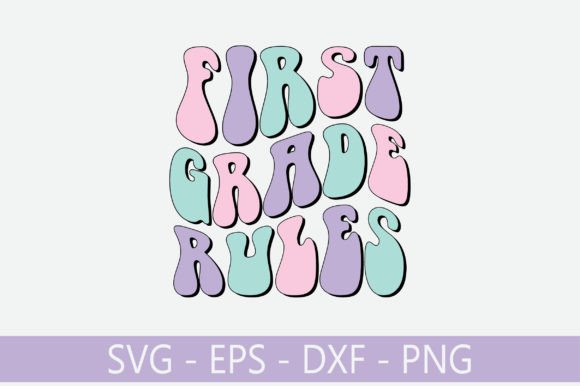
When I first opened the download folder for First Grade Rules Retro Svg Design, I didn't just see a collection of lines; I saw a specific kind of nostalgia that works perfectly in modern handmade goods. As someone who spends hours evaluating digital assets for real-world stitching, my immediate reaction was one of curiosity about how this retro aesthetic would translate from a screen to fabric. The design screams playful chaos mixed with structured discipline, making it an ideal candidate for back-to-school collections, classroom decor, or personalized gifts for new teachers and students.
The mood is unmistakably vintage yet fresh. It feels like a sticker you might have found on a 1970s lunchbox, updated with clean vector lines suitable for today's high-resolution embroidery machines. For small business owners and Etsy sellers looking to add a touch of personality to their inventory, this Graphics category item offers a unique opportunity to tap into the "teacher gift" and "first day of school" markets without feeling generic. But does it hold up under the needle? Let's walk through how I would approach this as a professional designer preparing for a commercial run.
Visual Personality and Stitch Translation
The strength of First Grade Rules Retro Svg Design lies in its balance of typography and illustration. In a crowded marketplace, designs that rely solely on text often lack character, while those with heavy imagery can become muddy when stitched. This piece strikes a happy medium. The retro font choices suggest warmth and approachability, which are crucial for products targeting children or parents. When I visualize this on a finished product, the layout suggests a central focal point that draws the eye immediately.
However, the transition from digital file to physical thread requires careful consideration. The retro style often includes curved lines and varying stroke widths. If these elements are too thin, they may not survive the tension of a satin stitch or could break down in a dense fill area. Before committing to a full production run, I always test the stitch density on scrap fabric. A design that looks crisp on a monitor can sometimes look blobby if the digitization doesn't account for fabric pull. With this design, the key will be ensuring that the lettering remains legible and the decorative elements don't merge together during the stitching process.
Real-World Application: The Custom Tote Bag Scenario
To truly understand the potential of this asset, imagine I am preparing a custom order for a local boutique. The client wants a line of eco-friendly tote bags for a school supply drive. They need something that stands out but isn't overly loud. First Grade Rules Retro Svg Design fits this brief perfectly. Placed centrally on a canvas tote bag, the design would act as a conversation starter.
In this scenario, the choice of thread colors becomes critical. A classic cream background with navy blue stitching would honor the retro vibe while maintaining high contrast for readability. Alternatively, using mustard yellow or burnt orange accents could elevate the design, giving it a more contemporary pop art feel. The versatility here allows for multiple colorways, which is essential for an Etsy seller or craft business owner trying to maximize their catalog without buying new files every season.
For a personalized gift, this design could be adapted to include a student's name above or below the rules. The clean vector formats included—SVG, EPS, DXF, PNG—make resizing for different applications straightforward. Whether scaling it down for a baby onesie or expanding it for a large wall hanging, the integrity of the shape should remain intact, provided the original source file is high quality.
Where Caution Is Required
Not every surface is a good home for this design. While it excels on flat, stable fabrics, there are limitations. Attempting to embroider this on a highly textured fabric, such as a chunky knit sweater or a coarse burlap sack, could obscure the finer details of the retro graphics. The stitches might get lost in the weave, ruining the intended visual impact.
Similarly, stretchy fabrics like jersey t-shirts require a rigid stabilizer to prevent puckering. If the hoop size is too small for the design dimensions, the machine will struggle to reach all areas, leading to uneven tension. I would advise against placing this on very small items like cap brims unless the design is significantly scaled down. Curved surfaces present another challenge; the distortion inherent in sewing onto a rounded hat crown can warp the text, making the "Rules" part of the title difficult to read.
Dense stitch areas are also a concern. If the design features thick blocks of color meant to represent a chalkboard or a retro pattern, ensure the machine can handle the load without skipping stitches. Over-stitching can cause the fabric to pucker, which detracts from the professional finish expected by customers paying premium prices for handmade products.
Impact on Product Value and Brand Consistency
A well-executed embroidery project elevates a simple item into a keepsake. Using First Grade Rules Retro Svg Design effectively can boost the perceived value of your merchandise. Customers are willing to pay more for items that show attention to detail, clear stitching, and thoughtful design placement. When a buyer sees a high-quality embroidered patch or a neatly stitched apron featuring this design, they associate that quality with your brand.
This consistency is vital for commercial embroidery projects where brand recognition matters. If you are creating a line of kitchen towels or pillow covers with a cohesive theme, this design acts as a signature element. It signals that you understand current trends while honoring timeless aesthetics. For a small shop product listing, having mockups that clearly display how the design looks on various backgrounds helps buyers visualize the final result, reducing returns and increasing confidence in the purchase.
Practical Designer Notes for Success
Before you start threading your machine, there are several technical steps you must take to ensure success. First, always test the design on a scrap piece of the same fabric you intend to use. This reveals how the material reacts to the needle and stabilizer combination. Check the stabilizer type; tear-away might work for light fabrics, but cut-away is often necessary for heavier items like sweatshirts to prevent distortion over time.
Review the file formats carefully. The inclusion of SVG, EPS, DXF, and PNG ensures compatibility with most software and machines, but verify that the DXF version is optimized for your specific embroidery software. Sometimes, conversion issues can alter the path of the stitches. Inspect the small details in the design, particularly any tiny letters or fine lines, to ensure they are not so small that they will disappear after washing.
Consider the end-user experience. Will the finished product withstand frequent washing? Embroidery is durable, but poor registration or loose threads can lead to unraveling. Use proper thread tension and secure your starting and ending points well. Finally, confirm the licensing terms before selling finished items. Even though this is a digital embroidery file available for commercial use in many cases, some creators restrict the number of units you can sell or require attribution.
By treating First Grade Rules Retro Svg Design with the respect it deserves as a professional design asset, you can create stunning embroidery projects that resonate with your audience. Whether you are crafting a holiday gift for a neighbor or building a robust inventory for your online store, this design offers a blend of charm and utility that is hard to beat. Just remember that the magic happens in the execution, not just the file itself.