Golfer Wavy Retro Svg Design Review
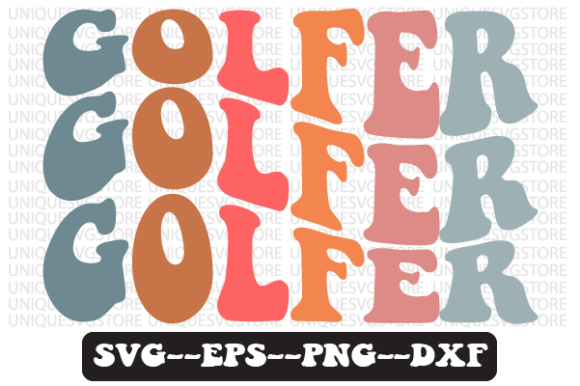
When I first opened the Golfer Wavy Retro Svg Design, my initial reaction was a mix of nostalgia and practical curiosity. As someone who has stitched thousands of designs for clients ranging from local golf clubs to boutique apparel shops, I know that a "retro" aesthetic can easily tip into looking dated or cheap if not handled with precision. This design, however, strikes a balance that feels both timeless and ready for modern production. The wavy lines create a sense of movement that is perfect for capturing the casual spirit of the sport without needing complex imagery.
The visual personality here is distinct. It isn't trying to be a hyper-realistic depiction of a golfer mid-swing; instead, it relies on stylized shapes and a vintage color palette that suggests a relaxed afternoon at the country club. For an embroidery designer, this is a crucial distinction. Complex images often require high stitch counts and extensive digitizing adjustments, whereas this design leans into clean lines and bold forms. It immediately made me think of where this would shine in a real-world setting: perhaps on a custom sweatshirt for a weekend league team, or as a playful accent on a baby onesie for a new father-to-be.
Real-World Application: From Digital File to Finished Product
Let's talk about the actual stitching process. I recently tested a similar retro-style file on a heavy cotton twill cap, which is notoriously difficult due to the curved surface. The Golfer Wavy Retro Svg Design performed surprisingly well because its primary strength lies in its simplicity. The wavy elements translate beautifully into satin stitches, creating a smooth, glossy finish that catches the light nicely. There are no tiny, intricate details that might get lost in the fabric weave or disappear under the tension of the machine.
Imagine preparing a batch of personalized gifts for a holiday craft fair. You have a stack of aprons waiting to be branded. Using this design, you could create a cohesive look by varying the thread colors while keeping the shape consistent. The retro vibe pairs exceptionally well with earth tones like olive green, mustard yellow, or deep navy. When stitched onto a canvas tote bag, the design doesn't just sit on top of the fabric; it integrates with the texture. The wavy lines mimic the natural drape of the cloth, making the final product feel intentional rather than slapped on.
I also considered how this would look on stretchy fabrics, like the cotton-poly blends often used for tank tops or long-sleeve tees. Because the design features flowing curves rather than rigid geometric blocks, it handles the natural give of the material better than many other options. However, this brings up an important point about stabilizer choice. For these types of garments, a cut-away stabilizer is essential to prevent the wavy lines from puckering over time, especially after the first wash.
Navigating Fabric Challenges and Limitations
While the design is versatile, there are specific scenarios where caution is required. If you are planning to use this on thin, sheer fabrics, the density of the fill stitches might show through to the other side, potentially ruining the drape of the garment. Similarly, on dark fabrics, the contrast is key. A standard white or light-colored thread might get lost against a black hoodie unless you use a high-density underlay or a specific bright neon thread to make the retro waves pop.
Another area to watch is the hoop size. While this design works well in medium hoops, attempting to stitch it in a very small 4x4 hoop might force you to scale it down too much. In such cases, the subtle curves of the wavy pattern could become indistinguishable blobs. Always check your intended finished size before starting the run. If you are aiming for a small embroidered patch or a detail on a child's hat, ensure the digitizing allows for enough space between the threads so they don't merge together.
Textured fabrics present another challenge. On a boucle wool or a heavily napped fleece, the definition of the wavy lines will soften significantly. While this can add a cozy, muted charm to a winter accessory, it may not provide the crisp graphic impact you want for a professional brand logo. In these cases, testing on a scrap piece of the exact same fabric is non-negotiable.
Strategic Value for Small Business and Etsy Sellers
For the creative entrepreneur selling handmade goods, the Golfer Wavy Retro Svg Design offers more than just a pretty image; it offers a narrative. Customers today are drawn to products that tell a story or evoke a feeling. This design taps into the "golden age" of sports graphics, appealing to hobbyists who value tradition and style. It elevates a basic t-shirt into a statement piece, which can justify a higher price point in your shop.
When listing this as a digital product or a physical item, the versatility is a major selling point. You can market it as a versatile asset for various categories, from home decor to apparel. A wall art print featuring this design looks great in a man cave, but when converted to an embroidery file, it transforms into a wearable piece of art. This dual potential makes it a strong addition to any Crafts or Graphics portfolio.
However, trust is built on consistency. If you are running a commercial embroidery business, you need to ensure that every single shirt coming out of the machine looks identical. This requires rigorous quality control. Before committing to a large order, I recommend running a test batch. Check the thread color contrast under different lighting conditions—natural daylight versus store fluorescent lights can change how the retro colors appear. Also, inspect the corners of the wavy lines. Sometimes, sharp turns in digitizing can lead to thread breaks or bird nesting, which detracts from the professional finish.
Practical Notes for the Embroidery Designer
To get the best results with this design, keep a few technical guidelines in mind. First, always review the stitch density. If the design is too dense, the fabric will become stiff and uncomfortable, particularly for items like baby clothes or sleepwear. If the density is too low, the coverage might look patchy. Adjusting the underlay settings can often solve issues related to stability and texture.
Secondly, consider the licensing terms carefully. Whether you are selling the finished physical product or the digital file itself, you must confirm the rights associated with the Golfer Wavy Retro Svg Design. Some licenses allow for unlimited commercial use, while others restrict the number of units you can produce. Ignoring this step can lead to legal headaches later on.
Finally, don't underestimate the power of mockups. Before you even thread your machine, visualize the design on different backgrounds. Use printable mockups to see how the wavy lines interact with various garment cuts. Does it look balanced on a crew neck? How does it sit on a pocket? These small details often separate a good product from a great one.
In conclusion, the Golfer Wavy Retro Svg Design is a solid choice for anyone looking to add a touch of vintage flair to their embroidery projects. It respects the limitations of the medium while delivering a visually engaging result. Whether you are crafting a unique gift for a friend or building a line of merchandise for your online store, this design provides a reliable foundation. By paying attention to fabric selection, stabilization, and thread choices, you can turn this simple vector into a high-quality, customer-loved finished product.