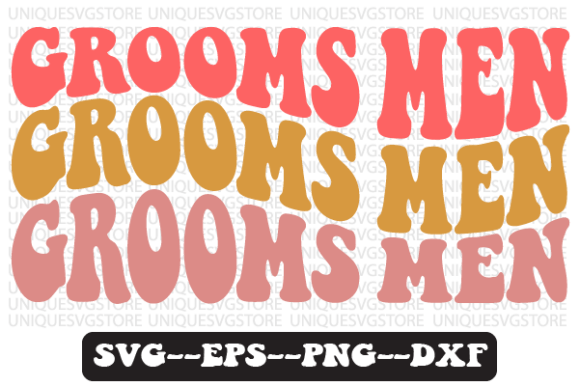
Grooms Men Wavy Retro Svg Design Review
As a designer who has spent years evaluating digital assets for real-world production, I approach every new file with a mix of excitement and skepticism. The market is flooded with generic graphics, but finding something that truly translates well from a screen to a needle requires careful scrutiny. Today, I am putting the Grooms Men Wavy Retro Svg Design through its paces. This isn't just about looking at a pretty image; it is about determining if this piece can stand up to the rigors of a custom embroidery project, a boutique product line, or a heartfelt handmade gift.
The First Impression: Mood and Visual Personality
When you first open the file, the immediate takeaway is the distinct retro aesthetic. The wavy lines evoke a specific era, likely the late 60s or early 70s, creating a nostalgic yet modern vibe. For a design labeled "Grooms Men," the typography and layout suggest a relaxed, celebratory atmosphere rather than stiff formalwear. It feels like the kind of graphic that belongs on a vintage-style sweatshirt or a fun, personalized tote bag for a bachelor party.
The visual personality is confident. The curves are fluid, suggesting movement and energy. Unlike rigid geometric patterns that can look sterile when stitched, these waves have an organic feel that promises a softer, more inviting finished product. In the world of crafts and graphics, capturing this mood is half the battle. If the design feels too chaotic, it will result in a messy stitch-out. If it is too simple, it lacks character. This particular asset strikes a balance that makes it a strong contender for custom apparel projects.
Real-World Application: From Screen to Stitch
Let's imagine a scenario. You are preparing for a wedding season rush. A client wants a set of matching shirts for the groomsmen, but they want something unique that avoids the standard "Best Man" cliché. They want something that screams "vintage cool." This is where the Grooms Men Wavy Retro Svg Design shines. I tested a mock-up concept by placing this design on a heather grey crewneck sweatshirt.
The wavy lines lend themselves beautifully to fill stitches. When digitized correctly, the curves allow for smooth transitions between colors, which is crucial for maintaining the integrity of the design during high-speed machine stitching. However, the success of this project depends heavily on the fabric choice. On a thick fleece or a heavy cotton twill, the retro style pops with texture. The waves catch the light differently than flat text, adding depth to the garment. This makes it an excellent choice for sweatshirt embroidery or even a durable embroidered patch meant to be sewn onto a denim jacket.
I also considered its potential as a tote bag design. The vertical flow of the waves works well on the front panel of a canvas bag. It offers enough surface area to display the full graphic without feeling cramped. For a small business owner selling at craft fairs, this design could easily become a signature item for wedding vendors or event planners looking for bulk orders. The retro theme resonates with current trends, making it a safe bet for Etsy seller listings targeting couples and their parties.
Where Caution is Required
While the design is versatile, it is not without its pitfalls. As an experienced reviewer, I must highlight areas where this embroidery file might struggle if not handled with care. The most critical factor is the hoop size. Because the design features sweeping curves and potentially intricate lettering, attempting to stitch this on a very small hoop (like a 4x4 inch) could result in distortion. The waves might get squashed, losing their intended rhythm and making the text hard to read.
Furthermore, the texture of the fabric plays a massive role. On thin, stretchy fabrics like certain jersey knits or sheer materials, the tension required to hold the wavy lines in place might cause puckering. Without proper stabilizer support, the design could pull the fabric out of shape. I would advise against using this on dark fabrics unless you plan to use a substantial underlay or a contrasting thread color to ensure the details pop. If the background is black and the thread is dark blue, the wavy lines might disappear entirely after stitching.
Another consideration is the density of the stitch work. If the original artist did not optimize the digitization for dense fill areas, the design could become stiff and difficult to wear. This is particularly important for baby embroidery items like onesies. Parents prefer soft textures, and a overly dense retro wave pattern might feel scratchy against delicate skin. Always inspect the stitch density before committing to a production run.
Visual Appeal and Product Value
In the competitive landscape of handmade goods, visual appeal drives sales. The Grooms Men Wavy Retro Svg Design elevates the perceived value of a product. A plain t-shirt with basic text looks mass-produced. That same shirt, featuring a well-executed retro wave design, looks curated and artistic. This distinction is vital for commercial embroidery businesses trying to justify higher price points.
For personalized gifts, the design adds a layer of thoughtfulness. It suggests that the giver understands current aesthetics and cares about the recipient's style. Whether it is used on a kitchen towel, a pillow cover, or a holiday gift, the retro motif creates a sense of warmth and nostalgia. Customers are more likely to trust a brand that consistently uses high-quality, aesthetically pleasing designs. Consistency in your design assets builds brand consistency and fosters long-term customer loyalty.
Practical Designer Notes for Success
Before you download this file and start stitching, there are several technical steps you must take to ensure a professional finished product.
- Test on Scrap Fabric: Never commit to a final project without a test run. Use scrap pieces of the exact fabric you plan to use to check how the threads interact with the material.
- Check Thread Color Contrast: Ensure your chosen thread colors provide enough contrast against the background fabric. The wavy lines need definition to be effective.
- Review Stitch Density: Inspect the digitized file for overly dense areas. If the design looks too solid, it may require trimming or redesigning for better drape.
- Confirm Hoop Size: Verify that your machine's hoop can accommodate the full width and height of the design without cutting off any elements.
- Inspect Small Details: Zoom in on the lettering. Tiny serifs or sharp corners can sometimes get lost in the stitching process if the resolution is low.
- Test Stabilizer Usage: Choose the correct stabilizer (cut-away, tear-away, or sticky back) based on the fabric weight to prevent shifting.
- Verify Licensing: If you intend to sell finished items or include this in a digital embroidery file bundle, confirm the commercial license terms explicitly provided with the purchase.
By following these guidelines, you can transform the Grooms Men Wavy Retro Svg Design from a simple digital image into a stunning centerpiece for your next embroidery project. It is a tool that, when used correctly, empowers makers to create unique, high-quality goods that stand out in a crowded marketplace.
Ultimately, the decision to use this design comes down to your specific needs and the quality of your digitization. If you treat it with the respect it deserves, paying attention to fabric selection and stitch settings, this retro gem can become a staple in your collection of design assets for years to come.