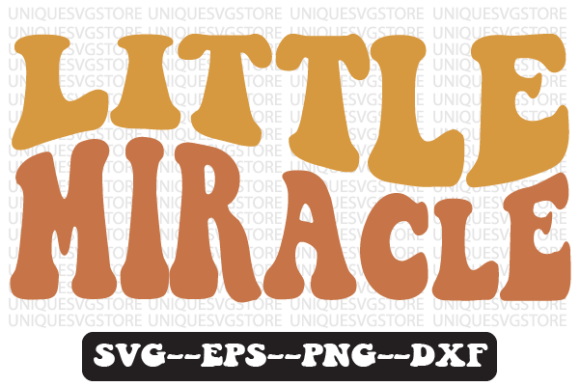
Little Miracle Wavy Retro Svg Design Review
When I first opened the file for Little Miracle Wavy Retro Svg Design, my initial reaction was a mix of nostalgia and practical curiosity. As someone who has spent years stitching out designs for clients ranging from boutique owners to new parents, I know that a pretty image on a screen doesn't always translate well to thread. This design sits squarely in the Crafts and Graphics categories, but its true potential lies in how it handles the transition from digital vector to physical stitch. The wavy lines and retro aesthetic immediately suggest a vibe that is both playful and grounded, perfect for projects that need to feel handmade yet polished.
The First Stitch: Visual Personality and Mood
The moment you look at this design, it feels like a warm hug from the 70s. The wavy typography creates a sense of movement without being chaotic, which is a delicate balance to strike in embroidery. Unlike rigid block letters that can feel stiff on soft fabrics, these curves invite the eye to travel across the garment or item. For a designer, this personality is gold. It suggests a project that isn't trying too hard to be serious, making it ideal for casual wear, nursery decor, or lighthearted gift items.
In terms of layout, the design appears to have enough negative space around the text to prevent it from feeling cramped when stitched. However, the "retro" element relies heavily on the specific curvature of the lines. If the digitization isn't precise, those waves could lose their fluidity under the tension of the machine needle. When I imagine this as a finished product, I see it sitting perfectly centered on a cream-colored onesie or perhaps arched over the pocket of a denim jacket. It has a visual weight that commands attention without overwhelming the fabric texture.
Real-World Scenario: The Custom Baby Gift Project
To truly test the viability of Little Miracle Wavy Retro Svg Design, I decided to run a mental simulation based on a common client request: a custom baby shower gift. Imagine preparing a personalized embroidered tote bag for a new mom. The customer wants something unique that says "Little Miracle" but with a touch of vintage charm that fits a modern nursery theme.
I placed the design digitally on a mockup of a canvas tote. The wavy lines work beautifully here because they soften the rigid structure of the bag. However, I had to consider the thread colors carefully. A retro palette usually implies mustard yellows, burnt oranges, or sage greens. If I used a high-density fill stitch for the background, the canvas might pucker, ruining the clean look of the wave. Instead, I would opt for a satin stitch outline with a lighter fill or even a running stitch if the line thickness allows. The result would be a tactile, textured piece that feels expensive and thoughtful. Customers buying into the "handmade" market are looking for that level of care, and this design supports that narrative perfectly.
Now, picture this same design on a sweatshirt. The stretchy cotton blend of a hoodie presents a different challenge. The wavy nature of the text means there are more directional changes for the needle than a straight line. If the stabilizer isn't sufficient, the fabric could shift during stitching, causing the "miracle" part of the phrase to look slightly misaligned. But if executed correctly, the design adds a layer of sophistication to what is often considered casual loungewear. It elevates a simple hoodie into a statement piece suitable for an Etsy shop listing or a craft fair booth.
Where to Exercise Caution
While the design is versatile, there are specific scenarios where Little Miracle Wavy Retro Svg Design requires extra scrutiny. Small hoop sizes are the first red flag. If you attempt to stitch this on a tiny cap patch or a small keychain fob, the details in the curves might get lost. The wavy lines rely on smooth transitions; if the stitches become too jagged due to limited space, the retro vibe turns into a messy blob.
Texture is another factor. Embroidering on thick, looped terry cloth or heavy fleece can hide the definition of the waves. You want the thread to sit on top of the fabric, not sink into it. Similarly, thin fabrics like sheer chiffon or light silk require a very light hand. Without proper backing, the tension of the wavy lines could cause the fabric to gather, distorting the message. Dark fabrics also present a contrast issue. If the design is digitized in white thread on black fabric, the wavy edges might disappear unless a contrasting underlay or outlining stitch is used effectively.
Finally, avoid using this design on products that undergo frequent, harsh washing, such as industrial dish towels or work aprons subjected to heavy abrasion. While durable threads exist, intricate wavy patterns are generally more prone to snagging or fraying over time compared to bold, simple shapes. It is better suited for items that receive moderate care, like home decor pillows, wall art, or special occasion garments.
Design Judgment and Product Value
From a business perspective, using Little Miracle Wavy Retro Svg Design can significantly boost the perceived value of your handmade products. In the crowded marketplace of Etsy sellers and craft entrepreneurs, visual appeal is currency. A well-executed embroidery project that features a unique, trendy font style signals quality to the buyer. It shows that you didn't just slap a generic logo on a shirt; you chose a design that resonates with current aesthetics.
The design's versatility allows for cross-selling opportunities. You could create a matching set: a sweatshirt for the parent and a onesie for the baby, both featuring the wavy text. This consistency builds brand recognition and encourages repeat purchases. Furthermore, the "retro" trend is evergreen, meaning this asset won't feel outdated in six months, protecting your investment in the design assets.
However, trust is built on execution. If the stitch density is too high, the fabric becomes stiff and uncomfortable, leading to returns and bad reviews. If the thread colors clash with the intended mood, the emotional connection is lost. Therefore, the final product must reflect the care taken during the digitizing and stitching process.
Practical Designer Notes for Success
Before you commit to a full production run, follow these essential steps to ensure your machine embroidery design performs flawlessly:
- Test on Scrap Fabric: Always stitch a sample on the exact fabric you plan to use. Check how the wavy lines handle the tension and if any puckering occurs.
- Review Thread Colors: Ensure the chosen thread colors provide enough contrast against the fabric. Test both light and dark backgrounds to see which offers the best visibility.
- Check Stitch Density: Look closely at the fill areas. If they are too dense, the fabric will bunch up; if too sparse, the coverage will look uneven.
- Hoop Size Matters: Confirm that your hoop size accommodates the entire design with enough margin for the stabilizer to hold the fabric taut.
- Inspect Small Details: Zoom in on the curves of the "wavy" text. Are the corners sharp enough? Do they maintain their shape after stitching?
- Stabilizer Selection: Use the appropriate stabilizer (cut-away for stretchy fabrics, tear-away for stable fabrics) to support the design during and after stitching.
- Licensing Verification: Before selling finished items or offering this as a digital embroidery file to others, double-check the license terms included with the purchase to ensure commercial rights are granted.
By treating Little Miracle Wavy Retro Svg Design with the respect it deserves, you transform a simple graphic into a cherished keepsake. Whether you are creating a personalized gift for a friend or building a robust inventory for your small shop, this design offers a strong foundation for creativity. It balances the charm of the past with the functionality required for modern crafting, making it a worthy addition to any designer's toolkit.