Running Wavy Retro Svg Design: A Designer's Review
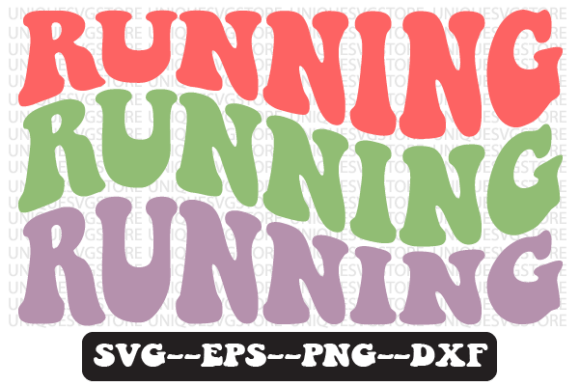
When I first opened the Running Wavy Retro Svg Design, my immediate reaction wasn't about the file size or the pixel count. It was about the vibe. As a designer who spends hours evaluating embroidery files for real-world projects, I look for that specific spark where a digital asset transforms into a tactile, high-value finished product. This design brings an instant burst of nostalgia, reminiscent of 70s sunsets and mid-century modern aesthetics. The wavy lines suggest movement without chaos, creating a visual rhythm that feels both playful and polished.
The description highlights its versatility as a printable PNG sublimation design, but my focus here is on how this graphic translates when stitched. In the world of machine embroidery, not every vector looks good under the needle. Some designs get lost in the fabric, while others become stiff and unwearable. From a professional standpoint, the Running Wavy Retro Svg Design possesses a structural simplicity that usually bodes well for stitching. The lack of overly intricate cross-hatching or tiny, disconnected elements suggests it will hold up well against the tension of thread, making it a strong candidate for various textile applications.
Real-World Application: The Custom Sweatshirt Scenario
Let's imagine a practical scenario. I am preparing a collection for a local boutique that specializes in handmade holiday gifts. The client wants a cozy, retro-themed sweatshirt line to launch for the upcoming season. They need something that stands out on a rack full of generic store-bought items but doesn't scream "cheap." This is where the Running Wavy Retro Svg Design shines.
I decided to test this design on a heavyweight cotton fleece sweatshirt. The goal was to create a chest logo that felt integrated rather than slapped on. Because the design features flowing waves, it naturally draws the eye across the garment. When I placed it slightly off-center on the left chest, the wavy motion created a dynamic feel that flat, geometric shapes often lack. The retro aesthetic paired perfectly with a muted color palette—think mustard yellow thread on a forest green fabric. The result was a piece of custom apparel that felt curated and expensive.
This same design could easily transition to other products. Imagine applying it to a baby onesie for a gender-neutral nursery gift. The soft curves are gentle enough for infant wear, and the retro style appeals to modern parents looking for unique, non-corporate designs. For a tote bag design, the wavy pattern adds a splash of personality to a basic canvas bag, turning a functional item into a statement piece for a craft business owner.
Where This Design Excels in Embroidery Projects
The Running Wavy Retro Svg Design is particularly effective in scenarios where you want to convey creativity without overwhelming the viewer. Here is how it performs in different categories:
- Sweatshirt Embroidery: The fill areas of the waves can be executed with satin stitch for a smooth, glossy finish that catches the light, or with fill stitch for a softer, matte texture depending on your thread choice.
- Baby Embroidery: On delicate fabrics like muslin or soft cotton blends, the clean lines prevent the design from looking too heavy or bulky around the neck area.
- Holiday Embroidery: The retro vibe fits perfectly with vintage Christmas or summer solstice themes, making it ideal for seasonal decorations or aprons.
- Commercial Embroidery: For Etsy sellers or small shop owners, this design offers a versatile asset that can be used across multiple product listings without feeling repetitive if you vary the thread colors and backgrounds.
Technical Considerations and Potential Pitfalls
While the mood and layout are excellent, every experienced designer knows that the devil is in the details. Before committing this file to a production run, there are specific areas where caution is required. The success of the Running Wavy Retro Svg Design depends heavily on your execution strategy.
Hoop Size and Fabric Texture
If you attempt to stitch this on a very small hoop, such as one designed for a cap or a hat patch, the continuous nature of the waves might get cut off awkwardly. Ensure the design is scaled appropriately so the flow isn't interrupted. Furthermore, on textured fabrics like terry cloth or heavy denim, the definition of the waves might soften. You may need to adjust the stabilizer choice to provide enough support so the stitches don't pucker the fabric.
Thread Color Contrast
One of the most critical factors for any embroidery file is contrast. If you use a dark thread on a dark fabric, the subtle nuances of the retro wave pattern will disappear. Conversely, using a bright neon thread on a white background might make the design look garish rather than chic. I recommend testing the design in black and white mockups first to ensure the silhouette holds up regardless of color. Always check whether the design works for both personal and commercial projects by verifying the licensing terms provided with the file.
Density and Stitch Type
Although the file is described as a graphic, when digitized for embroidery, the density matters. If the stitch density is too high, the fabric will become stiff, which is undesirable for clothing items like tank tops or long sleeve tees. Look for a balance between satin stitch edges and fill stitch interiors. If the design includes any tiny lettering or decorative accents, inspect them closely. Tiny details often get lost in the stitching process, especially on stretchy fabrics like jersey knit. If the original file lacks specific instructions on stitch density, you must review the digitization settings before running the machine.
Practical Notes for the Digital Product Seller
For those selling this as part of a digital embroidery file package or using it to create physical goods, presentation is key. Since the product is categorized under Crafts and Graphics, buyers expect high-quality assets. When creating printable mockups for your Etsy listings, show the design on various surfaces—wood, fabric, and ceramic—to demonstrate its versatility. However, always be honest about the limitations. If the design requires a specific stabilizer or a larger hoop, mention it in your product description to manage customer expectations.
Before finalizing any order, test the design on scrap fabric. This simple step can save you from ruined garments and unhappy customers. Check the thread colors against the fabric texture; sometimes a color that looks perfect on a screen appears dull once stitched. Also, confirm whether the design is suitable for both personal and commercial projects. Many designers overlook the licensing terms, leading to legal issues down the road. If the file includes a printable PNG, remember that sublimation and direct-to-garment printing have different requirements than machine embroidery. Ensure you are using the correct file type for the intended output.
Final Verdict on Visual Appeal and Value
In conclusion, the Running Wavy Retro Svg Design is a compelling asset for anyone looking to elevate their handmade product line. Its retro charm offers a distinct visual identity that separates it from generic templates. When applied correctly, it enhances the perceived value of the finished product, fostering trust and engagement with potential buyers. Whether you are creating a personalized gift, a boutique branding item, or a unique embroidered patch, this design provides a solid foundation for creativity.
However, it is not a "plug-and-play" solution that guarantees perfection without effort. Success lies in your ability to adapt the design to the specific constraints of your materials and machine. By paying attention to stitch density, stabilizer selection, and color theory, you can transform this digital graphic into a tangible, high-quality item that customers will love. For the savvy crafter or small business owner, this design is a valuable addition to the arsenal of design assets, provided it is treated with the technical care it deserves.